

Branding & Identity Services
We have put together a 12 point checklist that will help ensure nothing is overlooked when establishing your brand... It includes a number of points that you may not think of when contemplating a start up or new product. For a copy of this checklist contact us and we'll mail one out to you right away - so you too can Get Branded!
"Capture The Mind, Win The Heart, Gain The Commitment"
1. CUSTOMERS AND COMPETITORS:
Market Research
- Decide what brand architecture to use by the size of your budget and the scope of your organization: Parent-dominent, Parent-endorsed or Parent-silent.
- Research your customers and their behaviours: Who are they? What kind of message best motivates their buying decisions? Where are they and how do you best reach them? What kind of brand experience will ensure repeat business and generate satisfaction?
- Analyze your competition: Discover all existing competitor solutions, use the best tool to date to research the competition, the world wide web, determine who has the biggest market share and why, gain knowledge of your competitors' strengths and weaknesses, what they are planning and where they are vulnerable.
- Keep your friends close and your enemies even closer: look to your competitors as allies and cultivate relationships with them; today's competitor might become a future colleague, boss or potential client.
2. LOGO:
Your Company Image
There are four basic types of logos:
- wordmark logos: most common, usually contain typeface only (e.g. FedEx)
- lettermark logos: an abreviated version of business name, initials (e.g. GE)
- brandmark logos: a recognizable symbol (the Nike swoosh)
- iconic logos: brandmark with a wordmark (e.g. bank logos)
- A logo is the graphic element along with a typeface that embodies your corporate identity, fosters immediate customer recognition and forms a trademark or commercial brand (think Nike, Coca-Cola, Starbucks).
- Conceptually, your logo is considered the "image" of your company and should highlight your products or services, communicate your brand values and convey your competitive edge.
- The logo is one aspect of a company's commercial brand and it's shapes, colours, fonts and images stand out from others in a similar market.
- The logo is often your first chance to make a good impression with potential customers.
- Avoid using a typeface or design style that is amateur or sub-standard as it will scream to your clients that your business is cheap and unreliable.
3. SELL THE SIZZLE, NOT THE STEAK:
Slogans And Taglines
Do you recognize these taglines?
- Think different
- Absolutely, positively overnight
- The choice of a new generation
- Just do it
- Don't leave home without it
- Snap, Crackle, Pop!
- Slogans and taglines should sell the benefits of your product or services, not the features.
- A slogan is a short and memorable phrase often used in advertising campaigns.
- A tagline is a variant of a slogan in that it represents a memorable phrase that captures the tone, basis and key benefits of a brand product or service and reinforces the client's memory of it.
- A tagline becomes memorable depending on the brand heritage and how much the line has been used over the course of a given campaign.
- Some taglines are so popular that they become catch phrases for generations of customers.
4. PRINT COLLATERAL:
Business Cards, Letterhead, Envelopes
- As critical as your logo and slogan is , so is your corporate print package.
- The use of properly branded business cards, letterhead and envelopes should become habit and everything that leaves your office should convey your identity.
- Do not cheapen your brand by cutting costs on quality if you don't have to because even invoicing and administrative communications should support the essence of your brand.
- Don't forget to make both colour and black & white letterhead, both personalized and generic business cards, and brand everything else that both the general public and your employees will see or use in relation to your business and it's products or services.
5. ASSETS COLLECTION:
Photos, Illustrations, Copy, Quality Materials
- Do not compromise the strong and dynamic creative presence of your print materials.
- Set up photo shoots for your product displays.
- Be sure to get professional product shots done, think ahead for future campaigns if possible and try to have a set of generic (on white) photos for digital manipulations.
- Commission professional photographers and illustrators for all marketing materials.
- Hire copywritwers and editors because the 'written word' is as crucial as the image when it comes to your brand.
- Print on quality materials to match the high quality of your brand and remember that every time you compromise your brand suffers!
6. STREAMLINE:
Establish A Common Theme
- Everything associated with your business should have a common theme or 'feeling' to it (colour schemes, fonts, emotions, environments, atmosphere) in order to enhance and establish the brand in the marketplace.
- Be consistent in the look and style of your various marketing and advertising campaigns and carry it through to all sales, advertising and marketing messages.
- Don't forget to incorporate the logo and tagline into your themes.
7. SALES COLLATERAL:
Brochures, Promotional Kits, Sales Sheets, Booklets
Common examples of sales collateral include:
- Sales brochures and booklets
- Promotional kits
- Sales sheets
- Annual reports
- Posters and signs
- Visual aids used in sales presentations
- Product data sheets
- Website content
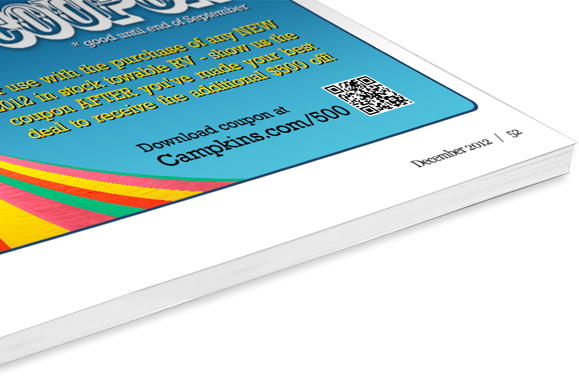
- In today's day and age, websites and email newsletters are becoming the preferred method of communicating with customers on a more frequent basis, but businesses still find that brochures play a large part in their sales process.
- Determine viable ways that your brochures and other print materials will fit into your sales process and how they will work for your business (will they be used as a first contact direct mail piece? a response to inquiries about your products and services? left in stand alone displays where customers can help themselves?).
- Build a collection of sales and marketing aids used to support the sale and promotion of your products and services.
- Include your sales team in the development of collateral.
- All sales staff should have full access to all collateral, however, take the necessary precautions to ensure that the premature or inappropriate release of information does not occur.
8. CONQUER THE WORLD WIDE WEB:
Web Design, Domain Registration, Web Hosting, Search Engine Optimization
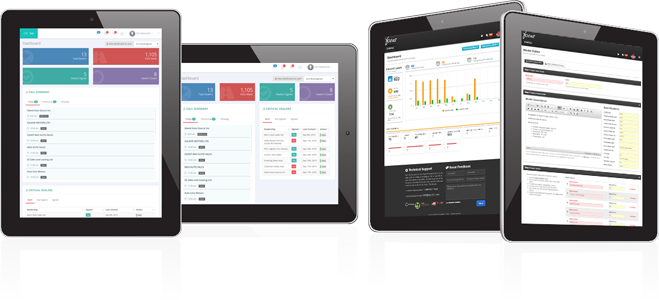
- Your company's website is your first and perhaps only chance to meet new customers so be sure to spend the time and money to plan and build it right the first time (so many small businesses learn the hard way - your website is your storefront to the world).
- Choose a domain name that is easy to remember and contains your company name.
- Select hosting service packages that can be tailored to the needs of your company.
- Improve your company's website traffic with search engine optimization and manage your advertising campaigns on Google, Yahoo! and MSN to make sure that customers who need your product or service find you and not your competitors first.
- Content is crucial if you want people to use your website so hire professionals to create it, but think about building a content management system (CMS) into it so that you and your staff can keep your content fresh and relevant.
9. CROSS MEDIA MARKETING:
Advertising, Radio, Television, Magazine, Newspaper, Web And Print Ad Campaigns
- Don't have tunnel vision or limit your thinking to one dimension when it comes to advertising - the more directions you go in and the more mediums you use the better chance you have of reaching the maximum number of potential customers.
- Think outside the box and dare to go where you have never gone before to capture new clients.
- Develop fully integrated advertising and marketing campaigns and communicate a uniform message across multiple media or touch points (all media have cheaper and ever more inexpensive avenues for advertisers to take).
10. MARK YOUR SPOT:
Point Of Purchase (POP), Store Signage, Environmental Design, Employee Uniforms
- Point of purchase materials (store signage, displays, advertising, packaging) are your sure bet to capitalize on the impulse buyer.
- Consumers make a lot of their buying decisions in the store so make sure your POP materials are convincing enough to persuade your customers to buy.
- Identify strategic locations where sales are made, e.g. areas surrounding the sales counter, and make sure you are marketing your products well in these key areas.
- Keep current with the latest trends in POP advertising.
- Create a physical experience of your company space by incorporating environmental design elements: interior design, lighting, exhibition design, landscape design, historical preservation, accessibility.
- Employee uniforms and the personal appearance of all staff contribute to the look and feel of your company; establish uniform guidelines so your customers easily recognize your sales staff.
11. REINFORCING YOUR BRAND:
Be Proud Of Your Brand, Increase Profits, Deliver Outstanding Service
- Who stands behind you and who is instrumental in launching your brand?
- Your employees are your brand ambassadors.
- Don't make a customer a pledge that you can't keep; if you promise big, deliver even bigger or you risk damaging your brand reputation.
- Outstanding customer service ensures customer retention; remember, it's far more expensive to find new customers than to keep the ones you have.
12. CONSUMER PULL WEAPON:
Word Of Mouth
- Build word of mouth, spread it and measure it.
- Find out what you need to know from the people that can make or break your brand; ask your most informed and involved customers the right questions.
- Remember, today's customers trust and act on the opinions of their social networks more than any other source or influence.
Get Branded! If you would like to discuss anything on our checklist above or talk about launching a new brand or company our seasoned marketers can help you steer your own course in the waterways of the global economy.
Our no obligation consultation will ensure we gain a thorough understanding of your current situation so we can discuss which solutions will best suit your company's needs.
You can fill out our Quick Quote form for a fast response and get the advice of our staff within 24 hours, or one business day!
|